
Jennifer Fishman
LPC, LCPCOregon · 17 yrs exp
Compassionate, practical counseling for life transitions
Stress, Anxiety · Anger · Self esteem · Career · +12 more
Read profileTherapist listings are provided by BetterHelp. We will earn a commission at no additional cost to you if you use our links to purchase.
This grouping highlights clinicians who list Trauma and Abuse among their focus areas alongside family relationships and parenting concerns. You can compare profiles by approaches listed, credentials, languages and listed location to help identify professionals who match your needs. Browse the profiles to learn how each clinician describes their focus and experience.
Oregon · 17 yrs exp
Compassionate, practical counseling for life transitions
Stress, Anxiety · Anger · Self esteem · Career · +12 more
Read profile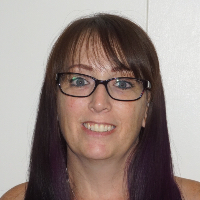
California · 23 yrs exp
Practical, goal-focused support for family and parenting concerns
Stress, Anxiety · LGBT · Relationship · Family · +5 more
Read profile
North Carolina · 12 yrs exp
Practical, person-centered counseling with CBT focus
Relationship · Family · Parenting · Self esteem · +7 more
Read profile
New York · 11 yrs exp
Person-centered counselor focusing on practical change
Stress, Anxiety · Anger · Bipolar · Depression · +11 more
Read profile
South Carolina · 6 yrs exp
Compassionate social worker for family concerns
Stress, Anxiety · Trauma and abuse · Anger · Depression · +10 more
Read profile
Michigan · 21 yrs exp
Calm, practical help for family and parenting concerns
Stress, Anxiety · Family · Trauma and abuse · Anger · +7 more
Read profile
New Jersey · 5 yrs exp
A compassionate, goal-focused counselor
Stress, Anxiety · Relationship · Family · Anger · +12 more
Read profile
Hawaii · 7 yrs exp
Caring family-focused therapist
Stress, Anxiety · Addictions · Relationship · Family · +11 more
Read profile
Michigan · 30 yrs exp
Client-centered therapist with nursing background
Trauma and abuse · Grief · Parenting · Anger · +9 more
Read profile
Michigan · 45 yrs exp
Experienced counselor for family concerns
Stress, Anxiety · Addictions · Trauma and abuse · Grief · +10 more
Read profile
Pennsylvania · 16 yrs exp
Warm person-centered counselor for family concerns
Stress, Anxiety · Relationship · Family · Trauma and abuse · +11 more
Read profile
South Carolina · 10 yrs exp
Practical therapy for stress and family concerns
Stress, Anxiety · Relationship · Family · Trauma and abuse · +1 more
Read profile
South Carolina · 20 yrs exp
Clear, practical therapy for everyday challenges
Stress, Anxiety · Relationship · Self esteem · Depression · +10 more
Read profile
Oklahoma · 20 yrs exp
Practical counseling for families and life stressors
Stress, Anxiety · Relationship · Family · Parenting · +13 more
Read profile
Indiana · 11 yrs exp
Therapist for family and life transitions
Stress, Anxiety · Grief · Depression · Coping with life changes · +8 more
Read profile
Kentucky · 11 yrs exp
Practical, relationship-focused therapy for change
Stress, Anxiety · Relationship · Family · Self esteem · +9 more
Read profile
Pennsylvania · 38 yrs exp
Practical, nonjudgmental therapy for everyday struggles
Stress, Anxiety · Grief · Depression · Addictions · +7 more
Read profile
New York · 24 yrs exp
Family-focused clinician helping parents and caregivers
Stress, Anxiety · Addictions · Family · Parenting · +9 more
Read profile
Texas · 4 yrs exp
Compassionate, practical support for emotional struggles
Stress, Anxiety · Addictions · Relationship · Family · +3 more
Read profile
North Carolina · 25 yrs exp
Compassionate counselor focused on practical change
Stress, Anxiety · Addictions · Family · Trauma and abuse · +11 more
Read profile
New York · 36 yrs exp
Practical counseling for parents and families
Stress, Anxiety · Family · Parenting · Self esteem · +7 more
Read profile
New Mexico · 3 yrs exp
Trauma-informed, practical support for parents and individuals
Stress, Anxiety · Trauma and abuse · Depression · Compassion fatigue · +9 more
Read profile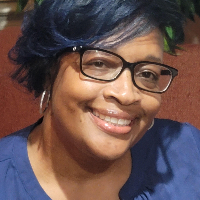
Michigan · 10 yrs exp
Compassionate counselor focused on practical growth
Relationship · Family · Self esteem · Career · +5 more
Read profile
Michigan · 10 yrs exp
Compassionate LPC focused on practical family concerns
Stress, Anxiety · Family · Trauma and abuse · Grief · +12 more
Read profileWhen trauma or abuse affects family relationships or the experience of parenting, the impacts can be wide-ranging and personal. You may notice changes in how you cope with stress, manage conflicts, or relate to children and other relatives. Trauma can include single events or patterns of harm over time, and its effects might show up as shifts in mood, trust, boundaries, memory, or daily functioning. Abuse within family systems often raises complex questions about safety, ongoing contact, and caregiving roles. If you are seeking help as an individual, the clinicians listed on this page describe their interest in these issues on their profiles; those listings are a starting point to explore whether a clinician’s focus aligns with what you are facing.
It is important to approach this topic with realistic expectations. Therapy is a process you enter with a clinician who can work with you on specific goals you define. No single listing on a profile proves clinical certification or guarantees outcomes. Use the profiles on this directory to gather information that prompts direct conversations about how a clinician works, who they typically support, and what kinds of strategies they discuss in their descriptions.
Trauma and abuse can intersect with family life in many ways. You might be managing the aftereffects of childhood experiences while parenting, navigating co-parenting when past abuse influences boundaries, or addressing how an adult child’s history of trauma affects family roles. These are personal and practical concerns that affect day-to-day interactions, routines, and decision-making about care and contact. On this directory you will find clinicians who list both the topic of Trauma and Abuse and family or parenting among their specialties; that joint listing does not establish causation between the two, but it does indicate clinicians who describe interest in working with family-related impacts of trauma.
Because this directory serves users in different countries, remember that clinicians may describe experience with particular populations, age groups, or cultural backgrounds. The way someone frames their work on a profile can help you figure out whether they talk about parenting stress, blended family dynamics, adult children, or aging parents in a way that resonates with your situation. If anyone is in immediate danger, call local emergency services - for example dial 911 in the United States, 999 in the United Kingdom, or 000 in Australia - rather than relying on directory listings.
When you look at profiles, have some concrete questions ready to guide a conversation. Ask whether the clinician has experience supporting adults who have lived with childhood abuse, or working with parents who are managing trauma-related triggers when caring for children. You can ask whether they usually work one-on-one with individuals on family and parenting concerns and how they define the boundaries of that work. It is useful to request examples of the kinds of goals they commonly address and to ask how they adapt their approach for different family structures, such as blended families, single parents, or families with an aging relative.
Be clear about what you hope to explore. You might ask how a clinician describes their use of particular approaches - for instance, therapists who list EMDR among their approaches, trauma-focused cognitive-behavioral strategies, narrative or somatic-informed work - and ask what those approaches look like in practice for individual clients. Remember that a profile's mention of an approach is not evidence of formal certification. Also inquire about experience with cultural, religious, or linguistic factors that matter in your situation. Asking these kinds of questions helps you determine whether a clinician’s described focus and language align with your expectations before you engage further.
Before you begin working with someone, clarify practical and safety-related details. If you plan to meet remotely, discuss the technology you will use, what to do if a connection fails, and how the clinician handles emergency situations given your listed location. If you expect in-person meetings, you may want to confirm whether sessions are held in a clinical office or another setting and what the clinician’s policies are around missed sessions or record-keeping. For situations that involve disclosures about imminent harm or child safety, ask how the clinician manages reporting obligations and safety planning so you understand the steps they will take and the supports they can coordinate.
It is also important to set expectations about scope of practice. If your concerns involve legal questions, criminal investigations, or formal child protection processes, clarify how a clinician will work alongside legal or social services and what they can and cannot provide. Discussing boundaries around roles - for example whether a clinician typically provides referrals to specialist services or focuses on individual coping and decision-making - will help you decide if their profile reflects the type of help you seek. Always prioritize immediate safety; if a child or adult is at risk of harm, contact emergency services immediately.
When comparing profiles on this page, look at how clinicians describe their focus areas and the populations they mention. Profiles that list family relationships and parenting together with Trauma and Abuse may describe working with parents managing trauma-related stress, adults coping with family conflict linked to past abuse, or people focusing on boundary setting and caregiving decisions. Pay attention to the languages a clinician lists if you need care in a language other than English, as that can affect how cultural context is discussed. Profiles often indicate whether clinicians offer sessions in multiple languages or describe cultural competencies that matter to you.
Distinguish between academic degrees and permission to practice. A degree such as PhD, PsyD, MD, MA or MSW shows a level of academic training but does not by itself demonstrate current licensure or registration. In the United States clinicians typically hold state licensure titles; in the United Kingdom practitioners may be registered with national regulatory bodies or be members of professional associations; in Australia professionals may be registered with national boards or be members of recognized associations. Use the profile language to prompt questions about current standing, and ask clinicians directly about the credentials that matter to you. Finally, consider therapeutic style - whether a clinician describes a directive, skills-based, exploratory, or reflective approach - and how that style feels in relation to your needs. Profiles are intended to help you narrow down options so you can have an informed conversation with a clinician about fit, scope and next steps.
Alabama
47 therapists
Alaska
3 therapists
Arizona
23 therapists
Arkansas
27 therapists
Australia
58 therapists
California
378 therapists
Colorado
74 therapists
Connecticut
57 therapists
Delaware
9 therapists
District of Columbia
6 therapists
Florida
224 therapists
Georgia
72 therapists
Hawaii
18 therapists
Idaho
15 therapists
Illinois
142 therapists
Indiana
66 therapists
Iowa
14 therapists
Kansas
22 therapists
Kentucky
32 therapists
Louisiana
66 therapists
Maine
15 therapists
Maryland
49 therapists
Massachusetts
60 therapists
Michigan
133 therapists
Minnesota
52 therapists
Mississippi
43 therapists
Missouri
89 therapists
Montana
14 therapists
Nebraska
16 therapists
Nevada
13 therapists
New Hampshire
9 therapists
New Jersey
90 therapists
New Mexico
19 therapists
New York
232 therapists
North Carolina
91 therapists
North Dakota
4 therapists
Ohio
83 therapists
Oklahoma
56 therapists
Oregon
27 therapists
Pennsylvania
154 therapists
Rhode Island
9 therapists
South Carolina
39 therapists
South Dakota
8 therapists
Tennessee
54 therapists
Texas
323 therapists
United Kingdom
577 therapists
Utah
21 therapists
Vermont
9 therapists
Virginia
44 therapists
Washington
54 therapists
West Virginia
6 therapists
Wisconsin
48 therapists
Wyoming
7 therapists