
Erica Vayo
LMHCMassachusetts · 5 yrs exp
Supportive family-focused counseling
Stress, Anxiety · Family · Self esteem · Coping with life changes · +4 more
Read profileTherapist listings are provided by BetterHelp. We will earn a commission at no additional cost to you if you use our links to purchase.
These profiles show clinicians who list family relationships and parenting among their specialties in Massachusetts. Visitors can compare focus areas, approaches, credentials and languages - browse the profiles to find professionals who match your needs.
Massachusetts · 5 yrs exp
Supportive family-focused counseling
Stress, Anxiety · Family · Self esteem · Coping with life changes · +4 more
Read profile
Massachusetts · 22 yrs exp
Practical, compassionate help for family concerns
Stress, Anxiety · Addictions · Relationship · Family · +1 more
Read profile
Massachusetts · 25 yrs exp
Experienced LICSW focused on practical change
Stress, Anxiety · Trauma and abuse · Parenting · Anger · +1 more
Read profile
Massachusetts · 20 yrs exp
Compassionate guidance for life transitions
Stress, Anxiety · Relationship · Grief · Parenting · +1 more
Read profile
Massachusetts · 25 yrs exp
Practical counseling for life and work challenges
Stress, Anxiety · Family · Self esteem · Career · +7 more
Read profile
Massachusetts · 25 yrs exp
Practical, goal-focused psychological care
Stress, Anxiety · Addictions · Relationship · Self esteem · +9 more
Read profile
Massachusetts · 24 yrs exp
Compassionate, goal-focused support for family stress
Stress, Anxiety · Parenting · Self esteem · Depression · +5 more
Read profile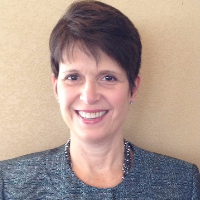
Massachusetts · 22 yrs exp
Compassionate whole-person counseling for everyday life
Relationship · Trauma and abuse · Grief · Intimacy-related issues · +15 more
Read profile
Massachusetts · 16 yrs exp
Healing that fits your life
Stress, Anxiety · Addictions · Trauma and abuse · Depression · +14 more
Read profile
Massachusetts · 6 yrs exp
Compassionate LICSW focused on practical change
Stress, Anxiety · Relationship · Family · Self esteem · +16 more
Read profile
Massachusetts · 12 yrs exp
Collaborative counselor for family concerns
Stress, Anxiety · Self esteem · Depression · Coping with life changes · +8 more
Read profile
Massachusetts · 14 yrs exp
Practical support for parenting and life changes
Stress, Anxiety · Relationship · Self esteem · Depression · +8 more
Read profile
Massachusetts · 30 yrs exp
Experienced school-based LICSW focused on goals
Stress, Anxiety · LGBT · Family · Self esteem · +11 more
Read profile
Massachusetts · 21 yrs exp
Calm, practical guidance for family concerns
Stress, Anxiety · Family · Trauma and abuse · Anger · +12 more
Read profile
Massachusetts · 12 yrs exp
Compassionate clinically and biblically informed care
Stress, Anxiety · Relationship · Depression · Coping with life changes · +6 more
Read profile
Massachusetts · 11 yrs exp
Calm, practical support for everyday family life
Stress, Anxiety · Depression · ADHD · LGBT · +9 more
Read profile
Massachusetts · 8 yrs exp
Supportive counselor for parenting and life changes
Stress, Anxiety · Trauma and abuse · Bipolar · Depression · +13 more
Read profile
Massachusetts · 7 yrs exp
Supportive counselor focused on practical change
Stress, Anxiety · Addictions · Self esteem · Depression · +9 more
Read profile
Massachusetts · 9 yrs exp
Practical support for stress and life changes
Stress, Anxiety · Self esteem · Depression · Addictions · +9 more
Read profile
Massachusetts · 25 yrs exp
Supportive LICSW for parenting and stress
Stress, Anxiety · Trauma and abuse · Anger · Self esteem · +7 more
Read profile
Massachusetts · 10 yrs exp
Practical, respectful counseling for life changes
Stress, Anxiety · LGBT · Relationship · Trauma and abuse · +8 more
Read profile
Massachusetts · 13 yrs exp
A supportive clinician who centers client strengths
Stress, Anxiety · Self esteem · Depression · Coping with life changes · +14 more
Read profile
Massachusetts · 33 yrs exp
Experienced counselor for family and life stress
Stress, Anxiety · Addictions · Relationship · Family · +9 more
Read profile
Massachusetts · 9 yrs exp
Compassionate support for family and life transitions
Family · Grief · Self esteem · Coping with life changes · +1 more
Read profileIf you are feeling overwhelmed by ongoing conflict, parenting stress, the challenges of a blended household, or strained relations with adult children or aging parents, it makes sense to look for a clinician who focuses on family and parenting concerns. The therapists included under the listed location Massachusetts are described by their own profiles as working with individuals about family issues and parenting topics. They do not represent a single model of care - some list approaches that emphasize skills and problem solving, others note longer-term reflective work, and still others indicate specialty areas such as parenting support, stepfamily transitions, or navigating intergenerational care. Before reaching out, reflect on whether your main need is short-term guidance for a specific parenting question, help with communication patterns that keep repeating, support while managing caregiving for an older relative, or personal work on boundaries and roles. If a child or an adult is unsafe or at immediate risk, call emergency services or your local crisis number right away.
Profiles are grouped under the listed location Massachusetts because that is how each clinician is recorded in the directory. That grouping does not, by itself, confirm an office address, an active authorization to practice in every state, or that a clinician sees clients in person from every community. You should open individual profiles to see how a clinician describes their background and where they say they are able to work. Academic degrees such as PhD, PsyD, MD, MA, or MSW indicate completed study but are not the same as a current permission to practice. In the United States, permission to practice usually comes through state professional licenses with abbreviations such as LCSW, LPC, LMFT, or similar. In the United Kingdom and Australia therapists may list registration or membership with national or regional professional bodies rather than a US state license. A degree alone does not establish current permission to provide care where you live; you can ask a clinician to confirm their authorization to work with you in Massachusetts or in the jurisdiction where you will be located.
Profiles often describe focus areas and approaches, but that information should be a starting point for a conversation. You might ask how a clinician typically works with individuals who bring parenting stress or family conflict, whether they have experience supporting people through stepfamily transitions or caregiving for aging parents, and what they consider the most helpful first steps for your situation. You can ask whether the clinician most often uses brief, skills-focused work or prefers longer-term reflective therapy, and how they tailor their approach if the person seeking help is also dealing with anxiety or depression. Concrete questions can include: Which kinds of parenting concerns have you worked with recently, how do you approach communication patterns that contribute to repeated conflict, what experience do you have with cross-cultural family expectations, and which languages do you use in sessions? When a profile lists specific approaches or modalities, remember that this only indicates a clinician chose to mention that approach - it does not prove formal certification. Use the initial conversation to gauge fit, clarify the clinician's experience with your main concern, and confirm how they describe their role in supporting individuals with family matters.
If you are considering remote sessions, bring up practical and ethical questions before beginning. Confirm where the clinician is authorized to work and whether they are able to provide care to someone located in Massachusetts at the time of each session. Ask about how they handle emergencies or crises when someone is participating from a different location, and find out what options exist for immediate help if needed. It is also reasonable to ask about session length and how technology will be used to support goals, whether the clinician offers resources or homework between meetings, and how they structure communication outside of scheduled sessions. Discuss any accessibility needs, language preferences, cultural considerations, or scheduling constraints up front so the clinician can explain how they adapt their work. If you are unsure about a clinician's statements on their profile, ask for clarification and confirmation that they can work with you under the conditions you need.
Comparing multiple profiles can help you identify clinicians whose focus areas, described approaches and stated languages line up with your needs. Look at how each profile frames family and parenting concerns - some clinicians emphasize parenting strategies and behavioral approaches, others center on intergenerational dynamics or the emotional impact of caregiving. Pay attention to whether a profile names specific populations or life stages, such as parents of toddlers, caregivers of older adults, or adults needing support with relationships with adult children. Note the languages listed so you can choose someone who will communicate in the language you prefer. Consider the mix of academic degrees and professional registrations or licenses listed on profiles - degrees show formal education while state licenses, regional registrations, or membership in national bodies indicate a pathway to practice that may vary by country. Also read any descriptions of clinical style: a profile that emphasizes practical tools will likely approach sessions differently than one that emphasizes exploration of family history and patterns. Use concrete comparison questions as you read: Which clinician mentions direct parenting support versus relational exploration, which ones note work with blended families or intergenerational caregiving, what languages are offered, and how does each profile describe their typical session focus? Finally, check each individual profile for statements about where the clinician can work and confirm directly that they have permission to provide care in Massachusetts or wherever you will be located. That confirmation is an important step before you begin working together.
After you review profiles and prepare questions, reach out to the clinicians whose profiles resonate with you to ask about fit and jurisdictional permission to work together. Keep in mind that profiles are an introduction to a clinician's focus and style rather than a guarantee of approach or outcome. If there is immediate danger to a child or an adult, contact emergency services or your local crisis line before seeking ongoing care. When you are ready, a brief initial conversation with a clinician can help you decide whether to proceed with a longer intake process and how best to address the family or parenting concerns that brought you here.
Addictions
1349 therapists
ADHD
1186 therapists
Anger
1889 therapists
Autism
201 therapists
Control Issues
546 therapists
Depression
2962 therapists
Domestic Violence
208 therapists
Grief
2153 therapists
Guilt and Shame
1181 therapists
Isolation / Loneliness
981 therapists
Midlife Crisis
213 therapists
Post-Traumatic Stress
678 therapists
Postpartum Depression
126 therapists
Self Esteem
2855 therapists
Stress & Anxiety
3447 therapists
Trauma and Abuse
2344 therapists
Abandonment
367 therapists
Adoption
158 therapists
Aging and Geriatric Issues
133 therapists
Attachment Issues
681 therapists
Blended Family Issues
294 therapists
Career
1438 therapists
Caregiver Issues and Stress
491 therapists
Codependency
257 therapists
Communication Problems
1589 therapists
Compassion Fatigue
1080 therapists
Coping with Life Changes
2544 therapists
Divorce
572 therapists
Family
3243 therapists
Family of Origin Issues
240 therapists
Fatherhood Issues
161 therapists
Fertility Issues
46 therapists
Forgiveness
1008 therapists
Foster Care
158 therapists
Life Purpose
1184 therapists
Money and Financial Issues
122 therapists
Parenting
2337 therapists
Pregnancy
100 therapists
Relationship
2915 therapists
Separation
572 therapists
Workplace Issues
405 therapists