
Amanda Polk
LISW-CPSouth Carolina · 10 yrs exp
Practical therapy for stress and family concerns
Stress, Anxiety · Relationship · Family · Trauma and abuse · +1 more
Read profileTherapist listings are provided by BetterHelp. We will earn a commission at no additional cost to you if you use our links to purchase.
Compare profiles of therapists who list Foster Care alongside family and parenting specialties. Use listed location, approaches, credentials and languages to narrow your search and browse profiles to learn more.
South Carolina · 10 yrs exp
Practical therapy for stress and family concerns
Stress, Anxiety · Relationship · Family · Trauma and abuse · +1 more
Read profile
Kentucky · 11 yrs exp
Practical, relationship-focused therapy for change
Stress, Anxiety · Relationship · Family · Self esteem · +9 more
Read profile
Pennsylvania · 9 yrs exp
Helping parents find calmer, practical paths
Stress, Anxiety · Grief · Parenting · Self esteem · +11 more
Read profile
Louisiana · 12 yrs exp
Compassionate counseling for family and parenting challenges
Relationship · Parenting · Anger · Self esteem · +14 more
Read profile
Pennsylvania · 25 yrs exp
Compassionate care for addiction and related struggles
Addictions · Relationship · Family · Anger · +1 more
Read profile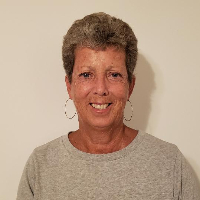
Illinois · 37 yrs exp
Collaborative, practical support for family concerns
Stress, Anxiety · Family · Anger · Self esteem · +11 more
Read profile
Texas · 22 yrs exp
Compassionate counselor for family and parenting concerns
Stress, Anxiety · Family · Trauma and abuse · Parenting · +8 more
Read profile
United Kingdom · 3 yrs exp
Integrative counsellor for stress and family concerns
Stress, Anxiety · Trauma and abuse · Self esteem · Depression · +7 more
Read profile
United Kingdom · 10 yrs exp
Experienced counsellor for family concerns
Stress, Anxiety · Relationship · Family · Trauma and abuse · +8 more
Read profile
United Kingdom · 4 yrs exp
Practical, culturally aware family and parenting counsellor
Stress, Anxiety · Relationship · Parenting · Self esteem
Read profile
United Kingdom · 4 yrs exp
Counselling for stress, relationships and parenting
Stress, Anxiety · Relationship · Family · Trauma and abuse · +7 more
Read profile
Pennsylvania · 20 yrs exp
Compassionate, client-centered support for parenting and loss
Grief · Parenting · LGBT · Family · +3 more
Read profile
Texas · 4 yrs exp
Practical support for family and relationship struggles
Relationship · Family · Intimacy-related issues · Parenting · +9 more
Read profile
United Kingdom · 10 yrs exp
Practical, respectful counselling for family concerns
Stress, Anxiety · Family · Trauma and abuse · Self esteem · +1 more
Read profile
Australia · 4 yrs exp
Support for stress and parenting pressures
Stress, Anxiety · Parenting · Self esteem · Career · +3 more
Read profile
Australia · 7 yrs exp
Practical, compassionate support for family and parenting concerns
Stress, Anxiety · Relationship · Trauma and abuse · Parenting · +11 more
Read profile
United Kingdom · 5 yrs exp
Practical, strengths-based support for parenting and stress
Stress, Anxiety · Trauma and abuse · Parenting · Self esteem · +1 more
Read profile
Australia · 25 yrs exp
Psychodynamic therapist for family concerns
Relationship · Family · Trauma and abuse · Depression · +1 more
Read profile
Michigan · 4 yrs exp
Supportive licensed social worker for stress and family concerns
Stress, Anxiety · Family · Grief · Self esteem · +1 more
Read profile
California · 20 yrs exp
Narrative-focused therapist for family concerns
Stress, Anxiety · Family · Trauma and abuse · Parenting · +1 more
Read profile
Minnesota · 9 yrs exp
Compassionate therapist for parents and individuals
Stress, Anxiety · Trauma and abuse · Parenting · Depression · +1 more
Read profile
South Carolina · 5 yrs exp
Support for stress, trauma, and family concerns
Stress, Anxiety · Family · Trauma and abuse · Self esteem · +1 more
Read profile
Idaho · 17 yrs exp
Practical support for parenting and family stress
Stress, Anxiety · Grief · Parenting · Depression · +8 more
Read profile
Virginia · 6 yrs exp
Compassionate, practical support for family concerns
Stress, Anxiety · Trauma and abuse · Parenting · Depression · +4 more
Read profileWhen you are searching for help around Foster Care, you are likely facing a mix of practical, emotional and relational challenges. You might be coping with the stress of placement changes, managing contact or visitation, navigating relationships with birth families, or managing parenting while dealing with grief and loss. You could be a foster carer, a parent, an adult who experienced foster care as a child, or someone working to support a young person. Whatever your role, your priority is finding a clinician who understands the specific pressures you face in family life and parenting situations.
On this page you will find profiles of clinicians who list Foster Care as a specialty or additional focus and who also indicate family or parenting among their areas of interest. That listing signals a focus area noted by the clinician; it does not necessarily mean they treat children, run family or couples sessions, or are qualified in a particular technique. Use the profile information as a starting point to identify professionals whose focus areas, approaches and experience align with the challenges you are facing, and prepare questions that address your unique needs.
Foster Care touches many aspects of family relationships and parenting without being a single issue. You may be dealing with attachment and trust questions that affect your day-to-day relationship with a child. You may be managing co-parenting and contact arrangements that influence household routines and boundaries. You may also be responding to the emotional aftermath of removal, placement disruptions or reunification efforts. Therapists who list Foster Care alongside family and parenting specialties often encounter these intersections in their work with adults.
On a directory page like this one you are seeing a group of profiles that share that focus, but each clinician frames their work differently. Some list trauma-informed approaches among their methods, and others highlight parenting strategies or support for carers. None of these listings alone proves a specific training or outcome. Use the profiles to explore how individual clinicians describe the relationship between foster care issues and broader family dynamics, and look for practitioners who emphasize working with adults on parenting stress, communication with birth families, grief, and long-term relational patterns.
When you review profiles, prepare concrete questions that help you understand a clinician's approach and whether it fits your priorities. Ask how they describe their experience with Foster Care-related concerns and whether that experience is primarily with adults, with young people, or with carers. Ask about the kinds of presenting issues they most often work with - for example, placement transitions, contact arrangements, parental wellbeing, or navigating legal processes - and how they typically work with individuals to set goals.
Be specific about language you see on a profile. If a clinician lists approaches such as CBT, attachment-informed work, or EMDR among their approaches, frame questions around how they use those approaches in practice and whether those options might match your circumstances. Clarify the difference between academic degrees and professional permissions to practise. A degree such as PhD, PsyD, MD, MA or MSW communicates academic training, while permission to practise is established through state licensing in the United States or through professional registration or membership in the United Kingdom and Australia. A degree alone does not establish that someone is currently authorized to practise in your listed location, so ask directly about their professional registration in the region where they will be working with you.
If you are considering contact that will be arranged remotely, there are practical and safety-oriented topics to cover before beginning. Discuss how the clinician manages emergencies or acute safety concerns, and identify local emergency resources in your area - for example, emergency services, local crisis lines, or child welfare authorities - in case someone is in immediate danger. Ask how they will handle situations where a young person or adult expresses thoughts that indicate they might harm themselves or others, and how they coordinate with other services such as schools or social workers if needed.
Talk about communication preferences and boundaries, such as how you exchange messages between sessions and what to expect about response times. Clarify how the clinician documents sessions and whether records are kept in the listed location. If you or a family member has cultural needs or language preferences, ask about language options and cultural experience up front. If cross-border jurisdiction is a possibility, ask whether the clinician is registered or authorized to practise with residents of the listed location where you live. These practical conversations will help you decide whether to move forward with a particular clinician based on the particulars of your situation.
Comparing profiles is more useful when you look beyond a single label and consider concrete dimensions of practice. Start with focus areas and specialty wording on each profile to see whether a clinician explicitly mentions the issues that matter most to you, such as placement disruption, contact arrangements, parental stress, or long-term attachment concerns. Then review the approaches they list, keeping in mind that phrasing like "therapists who list EMDR among their approaches" indicates interest rather than certified training. Use that phrasing as a prompt to ask how and why a clinician draws on those approaches in work with individuals.
Languages and cultural competency are essential elements to compare if you prefer care in a language other than English or want a clinician familiar with your cultural background. Look at the languages listed on profiles and consider asking about prior experience working with clients from similar communities. Examine credentials in two ways: first, identify academic degrees such as PhD, PsyD, MD, MA or MSW; second, ask about the clinical permissions that apply where you live - state licenses in the US, and professional registration or membership in the UK and Australia. Finally, consider therapeutic style. Some clinicians describe a directive, skills-focused approach while others emphasize exploratory, reflective work. Read profile language and watch for descriptors that match your preference for practical problem-solving or for deeper relational exploration. These comparisons will help you narrow profiles to a handful you want to contact and prepare the right questions for an initial conversation.
If a child or adult is in immediate danger, contact emergency services or a local crisis line without delay, and reach out to child protection authorities if a child is at risk. The profiles on this page are designed to help you find clinicians who list Foster Care and family or parenting among their interests, but the best next step is to use the profile details to ask honest, specific questions about how a clinician works and whether they are a fit for the care you need.
Alabama
47 therapists
Alaska
3 therapists
Arizona
23 therapists
Arkansas
27 therapists
Australia
58 therapists
California
378 therapists
Colorado
74 therapists
Connecticut
57 therapists
Delaware
9 therapists
District of Columbia
6 therapists
Florida
224 therapists
Georgia
72 therapists
Hawaii
18 therapists
Idaho
15 therapists
Illinois
142 therapists
Indiana
66 therapists
Iowa
14 therapists
Kansas
22 therapists
Kentucky
32 therapists
Louisiana
66 therapists
Maine
15 therapists
Maryland
49 therapists
Massachusetts
60 therapists
Michigan
133 therapists
Minnesota
52 therapists
Mississippi
43 therapists
Missouri
89 therapists
Montana
14 therapists
Nebraska
16 therapists
Nevada
13 therapists
New Hampshire
9 therapists
New Jersey
90 therapists
New Mexico
19 therapists
New York
232 therapists
North Carolina
91 therapists
North Dakota
4 therapists
Ohio
83 therapists
Oklahoma
56 therapists
Oregon
27 therapists
Pennsylvania
154 therapists
Rhode Island
9 therapists
South Carolina
39 therapists
South Dakota
8 therapists
Tennessee
54 therapists
Texas
323 therapists
United Kingdom
577 therapists
Utah
21 therapists
Vermont
9 therapists
Virginia
44 therapists
Washington
54 therapists
West Virginia
6 therapists
Wisconsin
48 therapists
Wyoming
7 therapists