- Nonjudgmental listening
- Practical strategies
- Mild trauma support
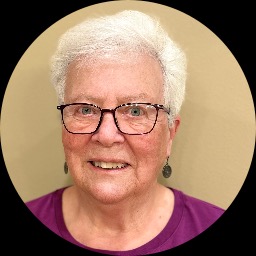
About Virginia
Virginia Vary is a licensed social worker with 35 years of counseling experience in Michigan. She focuses on stress, anxiety, addictions, grief, trauma and related concerns. She helps people who are navigating relationship strain, parenting challenges, sleep and eating difficulties, and changes in career or life stage.
She works to build an open, nonjudgmental space where clients can say what they need to say. Conversations center on the client’s goals and practical next steps. Sessions often include straightforward strategies for coping and problem solving rather than jargon or long theory talks.
Virginia uses a mix of approaches that include acceptance and commitment principles, client-centered listening, cognitive behavior ideas, mindfulness, and solution-focused techniques. She adapts tools to fit what a person already does each day, such as simple mindfulness practices or small behavior experiments.
Her work also extends to areas like compassion fatigue, ADHD, gender-related concerns, chronic illness, and end-of-life issues. She has experience helping people affected by HIV/AIDS, first responder stress, and substance use challenges.
Virginia emphasizes steady support and realistic goals. She helps people take small, manageable steps toward clearer routines, improved sleep and eating patterns, and healthier ways of handling stress. The first session is about understanding what matters most to the client and making a plan that fits their life.
How therapeutic approaches guide online work
Acceptance and commitment work focuses on identifying personal values and taking small, meaningful steps toward them. It can help when worry or avoidance keeps someone from doing what matters. Cognitive behavioral therapy looks at the links between thoughts, feelings, and actions and uses practical exercises to change unhelpful patterns, which can help with anxiety, sleep, and mood problems.Choosing the right approach is a shared process. The therapist will listen to the client's goals and try different techniques when needed. Together they decide which methods fit the person’s daily life and needs, and adjust the plan as progress is made.
If you are considering online sessions, confirm the current session options before booking since formats are not specified here. Many people find remote work easier to schedule around jobs, school, or caregiving. Online sessions can reduce travel time, make short check-ins more feasible, and let clients use mindfulness or behavioral tools in their usual environment. Ask about available formats when you start the matching process so you can pick what works best for your routine.
Areas of expertise
Primary focus
Also works with
Additional focus areas
Therapeutic approaches
Experience
35+ years
Listed in
Michigan
Languages
English
Frequently asked questions
What concerns does Virginia commonly address?
She supports people with stress, anxiety, addictions, grief, trauma and related issues. Other focuses include parenting, relationship worries, sleep and eating problems, and career or life transitions.
How would you describe her therapeutic style?
Her style is straightforward and client-centered with a focus on listening. Therapy emphasizes practical steps, coping skills, and small changes that fit into daily life.
What is her background and experience?
She holds a Michigan LMSW and has 35 years of professional counseling experience. Much of that time has involved work with trauma, grief, LGBT-related concerns, and chronic illness.
Where is she based and licensed?
She is licensed in Michigan as an LMSW and practices in that state.
Which languages are available for sessions?
Sessions are offered in English.
Does she see clients outside the United States?
International clients are not currently accepted.
How are fees and billing handled?
Cost varies by location and therapist availability, and sessions use a subscription that can be canceled at any time.
What should I do to begin working with her?
Use the Start Therapy button, complete a short matching questionnaire, and then schedule according to the therapist's availability.