- Person-centered support
- CBT for thinking patterns
- Focus on motivation
About Melanie
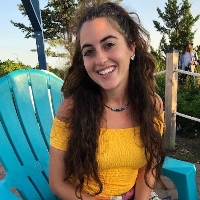
Melanie Giarratano is a Licensed Mental Health Counselor (LMHC, LCMHC) based in New York. She earned a bachelor’s degree in Neuroscience from the University of Delaware and a master’s degree in Mental Health Counseling from SUNY College at Old Westbury. Melanie has worked in both inpatient and outpatient settings and brings four years of clinical experience to her practice.
She has worked with adults, teenagers, children, veterans, people who use substances, and individuals with developmental disabilities. Relationship difficulties often come up in sessions, so she commonly helps people navigate communication and connection problems. Melanie also supports parents who are coping with the stresses of raising children.
Her background includes research into stress and post-traumatic reactions, which informs how she understands trauma and fear responses. She currently works in an inpatient psychiatric setting with people who have significant trauma histories. Her graduate training included psychodynamic study of human development and family context, and she uses that perspective to understand how past relationships shape present patterns.
Melanie draws from several therapy styles rather than using a single method. She uses motivational interviewing to encourage change, client-centered work to provide support, and cognitive behavioral techniques for people ready to examine thinking patterns. She also incorporates dialectical behavior and mindfulness strategies as helpful tools for coping.
Outside of work she values self-care and models it through yoga, biking, time with friends and family, and playing with her dog. She encourages clients to find small, manageable self-care practices that fit their lives.
How therapeutic approaches translate to online care
Client-centered therapy focuses on listening and support. It emphasizes the client's own goals and values, and the therapist reflects understanding and offers encouragement. This approach is helpful when someone needs acceptance and gentle guidance.Cognitive behavioral therapy, or CBT, breaks down how thoughts, feelings, and actions connect. It teaches practical skills like spotting thinking errors and using simple exercises or thought logs to test ideas. CBT is useful for anxiety, low mood, and stress that responds to structured work.
Dialectical behavior therapy, or DBT, offers concrete skills for regulating emotions, tolerating distress, and improving communication. It can help with strong mood swings, intense reactions, and difficulties managing anger or impulsive behavior.
Finding the right approach is part of the work together. The therapist will listen to a person’s goals and try methods that fit their needs and preferences. Sessions are collaborative, and techniques can be adjusted as progress is made.
The therapist's profile does not list specific online session formats, so confirm current options before booking. Many people choose online counseling because it can fit into busy days, reduce travel time, and allow shorter check-ins when needed. Online sessions can also make it easier to continue care across locations, while the therapist and client decide together what schedule and session length work best.
Areas of expertise
Primary focus
Also works with
Additional focus areas
Therapeutic approaches
Experience
4+ years
Listed in
New York, Utah
Languages
English
Frequently asked questions
What concerns does she help with?
She works with stress, anxiety, depression, addictions, bipolar mood issues, ADHD, family and parenting concerns, trauma and abuse, anger, and relationship difficulties among other areas.
What is her therapy style like?
Sessions mix client-centered listening with practical strategies from cognitive behavioral therapy and dialectical behavior therapy. Motivational interviewing is used when people want goal-focused encouragement.
What experience does she bring?
She has four years of clinical experience and has worked in inpatient and outpatient settings, including current work with people who have significant trauma histories.
What credentials and location are listed?
She holds the LMHC and LCMHC credentials and practices from New York.
Which languages are supported and can international clients be seen?
Sessions are offered in English, and she accepts international clients.
What session formats are available?
The original profile does not list specific session formats, so please confirm current session options before booking.
How are fees handled?
Cost varies with location and therapist availability; sessions use a subscription that can be canceled at any time.
How do I begin working with her?
Click the Start Therapy button, complete a short matching questionnaire, and schedule according to the therapist's availability.