- Practical skill building
- Focus on family conflict
- Compassionate guidance
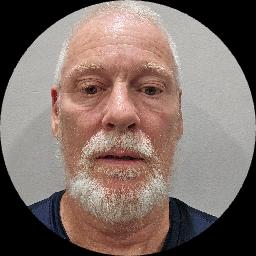
About Harold
Harold Kellogg is a licensed clinical social worker who helps people facing stress, anxiety, addiction, family conflict, depression, and big life changes. He speaks plainly and focuses on practical steps people can use right away. He acknowledges how hard it is to begin the work of change and aims to make that first step feel manageable.
Harold brings 26 years of professional experience and a background that includes both inpatient and outpatient settings. He draws on clear, goal-oriented techniques to help people reduce overwhelming thoughts and replace unhelpful patterns with workable alternatives. Sessions tend to focus on small, measurable changes that add up over time.
He emphasizes the client as the expert in their own life and looks for existing strengths to build on. Conversations are collaborative and paced to each person’s needs. The goal is to make coping strategies fit everyday life rather than add more stress.
Harold’s experience includes work with Veterans adjusting to civilian life and people reconciling past traumatic experiences. That background informs a steady, practical approach when addressing difficult memories or stress reactions. He aims to help people find clearer ways to manage symptoms and repair relationships.
People who value straightforward guidance and hands-on tools often find his style useful. He practices in North Carolina as an LCSW and offers sessions in English. If you’re unsure whether his approach fits your needs, a short introductory step can help clarify next steps.
How CBT and practical therapy work online
Harold uses Cognitive Behavioral Therapy, which helps people spot and change unhelpful thoughts and behaviors. CBT is practical and focused on small steps, and it often helps with anxiety, depression, and patterns that keep coming back.The emphasis is on learning skills people can use between sessions. Treatment includes identifying thought patterns, testing them in real life, and building alternative ways of coping. This approach tends to suit people who want clear strategies and measurable progress.
Finding the right approach is a collaborative process. The therapist will talk with each person about goals and daily life, then try methods that fit those needs. If something doesn't feel right, adjustments are made together so the work stays relevant and doable.
Session formats are not specified in the biography, so confirm current options before booking. Online therapy can make it easier to fit sessions into a busy schedule, reduce commute time, and let people choose times that work around family and work obligations. It can also allow for shorter check-ins when needed, or longer sessions for more intensive work, depending on what the therapist offers.
Areas of expertise
Primary focus
Therapeutic approaches
Experience
26+ years
Listed in
North Carolina
Languages
English
Frequently asked questions
What concerns does he help address?
He works with stress, anxiety, addictions, family conflict, depression, and coping with life changes.
What is his general therapy style?
He uses straightforward, goal-focused sessions that emphasize skills and small changes people can use between meetings.
How much experience does he have?
He brings 26 years of professional work experience, including practice in both inpatient and outpatient settings.
What are his credentials and where does he practice?
He is an LCSW licensed in North Carolina and maintains a practice in that state.
Which languages are supported for sessions?
Sessions are offered in English.
Can international clients work with him?
He is not currently accepting international clients.
How are sessions arranged and what do they cost?
Cost varies with location and therapist availability; sessions use a subscription that can be canceled at any time.
What is the first step to begin working with him?
Select the Start Therapy button, complete a short matching questionnaire, and then schedule according to therapist availability.